The evolution of gambling A historical journey through time
The Origins of Gambling
The history of gambling can be traced back to ancient civilizations, where evidence suggests that games of chance were played as early as 3000 BC. Archaeological finds, such as dice made from animal bones in Mesopotamia and ancient Chinese gambling artifacts, indicate that people have long sought entertainment through wagering. These early games often involved betting on outcomes of various activities, from the results of chariot races to the throw of dice, laying the foundation for modern gambling practices. Today, platforms like Jabulabets continue this tradition, offering a wide variety of options for players to explore.
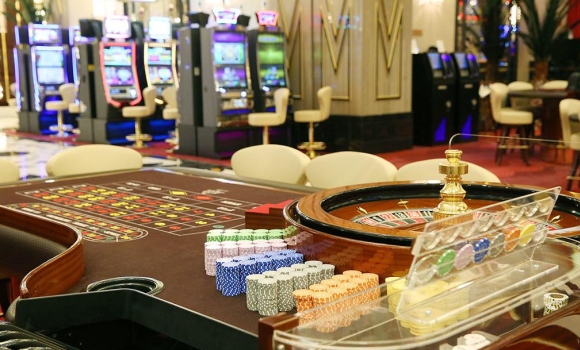
In ancient Rome, gambling became a popular pastime among citizens, despite attempts by some emperors to regulate or ban it. The Romans created a variety of games, including betting on gladiatorial contests. The allure of gambling was not merely about the potential for monetary gain; it also provided a sense of community and excitement among participants. This cultural acceptance of gambling continued to evolve, impacting how it was viewed in subsequent societies.
With the spread of the Roman Empire, gambling practices also permeated other cultures. The introduction of card games in the Middle Ages, particularly in Europe, marked a significant turning point. These games, often played by the aristocracy, became popular entertainment and set the stage for the diverse array of gambling options that would emerge in the following centuries.
The Rise of Modern Gambling
The 17th and 18th centuries heralded a new era in gambling, particularly with the establishment of commercial gambling houses in Europe. These venues catered to the growing middle class, offering a regulated environment for games like roulette and baccarat. The creation of state lotteries during this period also highlighted the increasing governmental involvement in gambling, as these initiatives were often used to fund public projects and infrastructure.
As the Industrial Revolution took hold in the 19th century, gambling became more accessible, facilitated by advancements in technology and transportation. The establishment of racecourses and the popularity of betting on horse races became commonplace. This era saw the development of betting systems and odds calculation, which allowed gamblers to engage in more strategic approaches to their wagers. The introduction of slot machines towards the end of the century further diversified gambling options, making it more appealing to a wider audience.
The emergence of casinos in the early 20th century marked another significant development in the gambling landscape. Places like Monte Carlo became synonymous with high-stakes gambling and lavish entertainment. These establishments not only drew in affluent gamblers but also became cultural landmarks, attracting tourists and influencers. The casino experience as a combination of gambling, dining, and socialization cemented gambling’s place in modern leisure activities.
The Digital Revolution
The late 20th century witnessed a seismic shift in the gambling industry with the advent of the internet. Online gambling platforms began emerging in the 1990s, transforming how people engaged with betting. Virtual casinos offered a plethora of games, from classic poker to innovative slot games, all accessible from the comfort of home. This digital evolution made gambling available to a broader audience, breaking down geographic barriers and enabling real-time betting.
Regulations began to catch up with this new landscape, as governments around the world scrambled to create frameworks for online gambling. Countries like Antigua and Barbuda led the charge by enacting laws that allowed internet casinos to operate legally. Meanwhile, players enjoyed unprecedented convenience and a wider variety of betting options, including live dealer games, which replicated the casino experience in real time. This era highlighted the importance of responsible gambling practices as the potential for addiction increased with accessibility.
Mobile technology further propelled the gambling revolution, with smartphones allowing users to gamble on the go. Apps dedicated to casino games, sports betting, and lottery tickets became commonplace, offering an experience that could fit seamlessly into busy lifestyles. This convergence of technology and gambling has reshaped consumer behavior, making it crucial for operators to innovate continuously and ensure a safe betting environment.
The Global Perspective on Gambling
Gambling practices vary widely across different cultures and societies. In some regions, gambling is deeply integrated into cultural traditions, while in others, it is heavily regulated or even prohibited. For example, in Asian countries, gambling holds historical significance, with games like Mah Jong and Pai Gow dating back centuries. These games often reflect cultural values and social interactions, showcasing the communal aspects of gambling.
Conversely, in regions where gambling is restricted, such as certain states in the United States and various Middle Eastern countries, underground gambling activities can thrive. This dichotomy illustrates the complex relationship societies have with gambling. Legalized gambling often generates substantial tax revenue, creating a delicate balance between moral considerations and economic benefits.
The globalization of gambling has led to an increase in online platforms that cater to international audiences. This globalization brings both opportunities and challenges, as operators must navigate various legal and cultural landscapes. The rise of esports betting and fantasy sports reflects an evolving landscape, appealing to younger demographics and diversifying traditional betting markets.

Embracing the Future of Gambling
As we look to the future, the gambling industry continues to innovate, driven by technological advancements and changing consumer preferences. The integration of virtual reality (VR) and augmented reality (AR) technologies promises to enhance the gaming experience, offering immersive environments that mimic the thrill of being in a physical casino. These advancements could redefine how players interact with games, making them more engaging and interactive.
Additionally, the importance of responsible gambling has come to the forefront, as operators increasingly prioritize player safety and well-being. Initiatives promoting awareness of gambling addiction and providing resources for support are becoming commonplace in the industry. This shift reflects a growing recognition of the need to balance enjoyment with accountability, ensuring that gambling remains a safe form of entertainment.
In this ever-evolving landscape, platforms like Jabulabets Casino are adapting to meet the needs of modern players. With a robust selection of games, including live dealer experiences and popular slots, they offer a user-friendly interface and secure banking options, allowing players to enjoy their gaming experience with peace of mind. As the industry continues to evolve, the future of gambling holds promise for both operators and players alike.